
 Facebook
 X
X
 Pinterest
 Copy Link
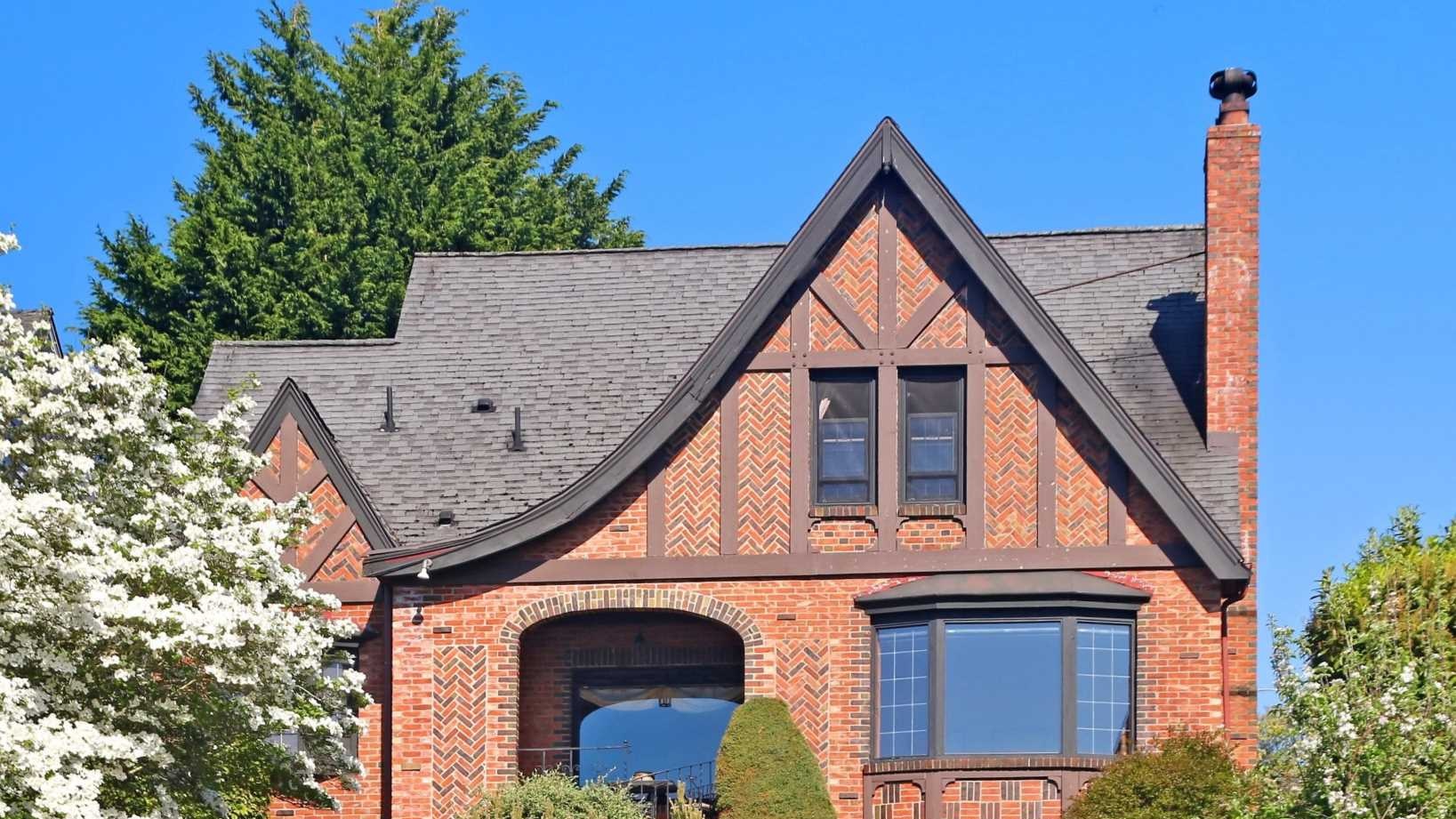
Most sellers ask me the same question first: what do I need to fix before we list? The honest answer is less than you think, but the few things that matter, matter a lot. This guide walks through how to prepare your Seattle area home for sale in 2026, what earns its money back, what doesn’t, and the local issues that quietly kill deals here in South Seattle.
The 2026 Market Sets the Bar
Seattle is balanced now, not frantic. Resale inventory hit 3.2 months in July 2026, the first genuinely balanced reading in years, and it was up 23% from a year earlier. Buyers have choices again. Showings per listing dropped 19% year over year, so fewer people are walking through each house, and the ones who do are comparing yours against four or five real alternatives.
The good news for sellers who prepare: single-family homes in Seattle still sold in an average of 18 days in June and closed at 100.6% of last list price. Condos are a different market entirely, averaging 40 days and 98.1% of last list price with 6.2 months of supply. Prep matters in both, but it matters more if you own a condo or a townhouse.
Here’s the practical translation. In 2021 a buyer would overlook a cracked driveway because there was nothing else to buy. In 2026 they just go see the next house. Condition is now a competitive lever, not a formality.
Start With a Pre-Listing Inspection
This is the single highest-leverage thing a Seattle seller can do. A pre-listing inspection in the Seattle area runs about $475 to $750 depending on size and age. Add a sewer scope for roughly $150 to $275 when it’s bundled, or $250 to $500 standalone.
Why it’s worth it: you find the problems before a buyer’s inspector does, on your timeline, with your contractors, at your prices. Nothing costs a seller more than a surprise discovered during the inspection contingency, when the buyer has all the leverage and a repair credit is negotiated in a hurry.
Do this six to eight weeks before you list. That gives you room to actually fix things instead of just disclosing them.
The Four Seattle Issues That Stall Sales
Every market has its own recurring problems. In South Seattle, where a lot of the housing stock predates 1950, these are the ones I see most.
Side sewers
Old clay side sewer lines crack, sag, and fill with roots. A scope costs a few hundred dollars. A full replacement can run well into five figures, especially if the line crosses the street. Knowing before you list means you can price it in, get bids, or fix it. Finding out during a buyer’s inspection means you’re negotiating against a worst-case estimate.
Buried oil tanks
Common in homes built before the 1970s across Mt. Baker, Beacon Hill, and Columbia City. Decommissioning typically runs $700 to $1,000 plus a $184 Seattle permit fee, assuming no soil contamination. Note that the old PLIA insurance program stopped accepting new registrations and claims in mid-2025, so that safety net is gone. The state’s Heating Oil Loan and Grant program replaced it. Seattle is also phasing toward a requirement that tanks be decommissioned or replaced by 2028, so this is not a problem that improves by waiting.
Unpermitted work
Finished basements, converted garages, added bathrooms. Buyers’ lenders and appraisers care, and so do buyers. Pull your permit history from the city before you list so you know what you’re representing. Sometimes the answer is to permit it. Often the answer is to disclose it clearly and price accordingly. Either beats getting caught mid-transaction.
Drainage and moss
Ours is a wet climate on hilly ground. Clogged gutters, downspouts dumping against the foundation, and a moss-covered north-facing roof all read to a buyer as deferred maintenance, which makes them wonder what else was deferred. This is a cheap fix with an outsized effect on perception.
What’s Actually Worth Fixing
The 2026 Cost vs. Value Report ranked the Pacific region, which includes Washington, first in the country for remodeling return, the first time it has taken the top spot in 23 years. But the spread between projects is far bigger than the spread between regions. Choose the project well and the region takes care of itself.
Do these:
- Garage door replacement. The top-returning project in the report at roughly 268% of cost recovered. It’s also the largest single surface on many street-facing facades.
- Steel entry door. About 216% return, averaging $2,435 in cost against $5,270 in resale value.
- Paint, inside and out. Not on the ROI charts because it’s maintenance, not remodeling, but nothing changes a buyer’s first impression per dollar like fresh neutral paint.
- Deep clean, declutter, and light landscaping. Windows washed, closets at half capacity, beds trimmed, lawn edged. This is the cheapest work you will do and it shows up in every photo.
- Swap dim, mismatched bulbs for consistent bright ones throughout. Seattle homes get photographed in gray light nine months a year.
Think twice about these:
- Full kitchen or bath remodels. A minor kitchen refresh (cabinet fronts, hardware, a new range) returns around 113%. A full gut typically returns well under half its cost, and you’ll live through the mess for someone else’s taste.
- Roof or furnace replacement, if it’s functional. Buyers rarely pay a premium for a new one, but they will discount heavily for a failing one. If it works and has documented service history, disclose the age and let the market price it.
- Anything highly personal. Bold tile, built-ins, a converted bedroom. You’ll pay to install it and then discount for it.
The rule I use: fix what makes a buyer nervous, refresh what makes a buyer look, and skip what makes a buyer’s taste the deciding factor.
Staging: What the Numbers Say
Nearly half of listing agents (49%) say staging reduces time on market, and 29% say it lifts the dollar value of offers by 1% to 10%.
You don’t have to stage everything. The rooms that matter most are the living room (staged by 91% of agents who stage), the primary bedroom (83%), the dining room (69%), and the kitchen (68%). Notably, 51% of listing agents don’t stage at all but do ask sellers to declutter and correct property faults first, which tells you where the baseline is.
My take for South Seattle: occupied homes usually need editing more than furniture, which means removing about a third of what’s in the room and clearing every horizontal surface. Vacant homes almost always benefit from at least partial staging, because empty rooms photograph small and buyers can’t judge scale.
Your Disclosure Is Part of Your Prep
Washington sellers complete a Form 17 Real Property Transfer Disclosure Statement, required on residential sales under RCW 64.06.020. It’s six pages of yes, no, don’t know, and not applicable, plus a catch-all question about anything else a buyer should know.
Two timing details worth knowing. You typically must deliver Form 17 within five business days of mutual acceptance unless you agree otherwise in writing. Most listing agents include it in the listing supplements for easy access. Once the buyer receives it, they have a three business day right to rescind under RCW 64.06.030. If you materially amend the form later, say to disclose something newly discovered, that three-day window generally starts over.
Which is exactly why the pre-listing inspection pays for itself. Filling out Form 17 accurately is much easier when you already know the answers, and a buyer who learns about a problem upfront reacts very differently from one who learns about it in week three.
A Six-Week Prep Timeline
- Weeks 6 to 5: inspect and gather. Pre-listing inspection, sewer scope, permit history pulled, service records for roof, furnace, and water heater collected.
- Weeks 5 to 4: get bids and decide. Contractor estimates on anything the inspection flagged. Decide what you fix, what you credit, and what you disclose and price for. Your broker should be in this conversation, because not every finding is worth repairing.
- Weeks 4 to 3: do the work. Repairs first, then paint. Order the oil tank decommission now if you need one, since permits and scheduling take time.
- Weeks 3 to 2: declutter and stage. Pack a third of everything. Clear counters, closets, and the garage. Stage or edit, then handle landscaping and gutters.
- Week 2: deep clean, then photograph. Professional photos come after cleaning and staging, never before. Windows washed, lights on, every bulb matching.
- Week 1: price and launch. Set price against the homes buyers can actually choose instead of yours today, not against last spring’s comps. Complete Form 17 while everything is fresh.
Not everyone has six weeks. If you have two, do this: inspect, deep clean, declutter, paint what’s scuffed, and get professional photos. That’s most of the return for a fraction of the effort.
Quick Answers
Should I fix everything the inspection finds?
No. Fix safety issues, water intrusion, and anything that will scare a lender or an appraiser. For the rest, a credit or an honest disclosure with an adjusted price is often the better trade.
Is staging worth it in a balanced market?
More than it was in a hot one. When buyers have 3.2 months of inventory to compare, presentation is how you separate from the listing down the street.
What if my home needs real work and I don’t have the cash?
Sell it as is, but do it deliberately: get the inspection anyway, publish it, price to the condition, and market to buyers who want a project. Uninformed as-is sales attract lowball offers. Informed ones attract renovators.
Do I need to paint the exterior?
Only if it’s visibly failing or badly dated. Trim, front door, and porch touch-ups usually deliver most of the effect at a fraction of the cost.
How much should I budget overall?
Most South Seattle sellers I work with land between $2,000 and $8,000 all in, including inspection, cleaning, minor repairs, paint, and staging. Homes with a sewer or oil tank issue can run higher, which is exactly why you want to know early.
The Bottom Line
Preparing your Seattle home for sale in 2026 is about sequence more than spending. Inspect first so you’re making decisions with real information. Fix what makes buyers nervous. Refresh what makes them look twice. Skip the big remodels that rarely return their cost. Then price against the actual competition, because in a balanced market a well-prepared home priced right still sells in under three weeks, and an unprepared one sits and then sells for less anyway.
Thinking about selling this year? My free Seattle Seller Guide covers prep, pricing, and net proceeds in detail. Or if you’d rather just walk your house with me and get a straight answer on what’s worth doing, reach out. No pressure, no obligation.
