
 Facebook
 X
X
 Pinterest
 Copy Link
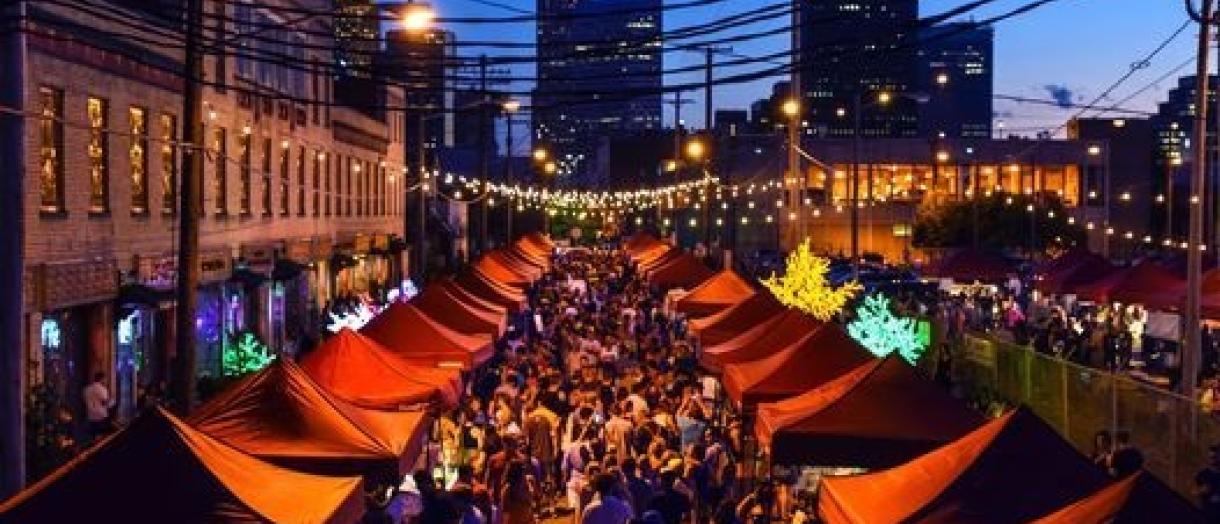
If you are researching Columbia City, here is the short version: it is one of the most walkable, most characterful neighborhoods in South Seattle, with a light-rail line straight to downtown, a landmark business district you can stroll end to end, and a food and music scene that punches far above its size. The trade-off is price. Columbia City is no longer a secret, and the median home now sits around $800,000 as of spring 2026, above neighboring Beacon Hill and Rainier Beach. What you are paying for is one of the few places in Seattle where you can live car-light, walk to dinner, catch live music, and ride the train to the airport. Let’s walk through whether it fits.
Where Columbia City Sits
Columbia City is in the heart of the Rainier Valley in southeast Seattle, strung along Rainier Avenue South about six miles south of downtown. It sits south of Mount Baker and the I-90 corridor, north of Hillman City and Rainier Beach, and a short hop west of Lake Washington and Seward Park. The neighborhood is built around a compact, historic main street, with quiet residential blocks of bungalows and foursquares fanning out in every direction. Because everything centers on that walkable core, Columbia City feels more like a small town tucked inside the city than most Seattle neighborhoods do.
The Commute: Light Rail Straight Downtown
The Columbia City light-rail station sits on the 1 Line along Martin Luther King Jr. Way South, a few blocks east of the business district. From the platform, downtown Seattle is roughly fifteen minutes away, and the same line runs south to Seattle-Tacoma International Airport and north through downtown to the University of Washington and beyond. For buyers who want to lean on transit instead of fighting I-5 or paying for downtown parking, that connection is the quiet engine under the whole neighborhood. It is also why so many residents here genuinely live car-light, running daily errands on foot and saving the car for weekends.
The Historic Business District: Walkable by Design
Columbia City’s main street is one of Seattle’s first designated landmark districts, and it shows. A few blocks of early-1900s brick storefronts hold restaurants, cafes, a bookstore, a neighborhood movie theater, and small shops, all close enough to cover on foot in an afternoon. This is the part that turns visitors into residents: very few Seattle neighborhoods give you this much to do within a five-minute walk of home. The density of independent, owner-run businesses is the whole appeal, and it is what keeps the sidewalks busy on a weeknight.
Eat and Drink Your Way Down the Street
This is where I lose my objectivity a little, because these are some of my favorite spots in the city. Empire Espresso on South Edmunds is my go-to morning coffee, equal parts cafe and record shop. When I want Vietnamese coffee instead, Coffeeholic House does it beautifully. Persephone is the kind of place Columbia City does best, part bottle shop, part aperitivo bar, perfect for a glass and a snack before dinner. Tap Root makes solid sandwiches and quietly crafts some of the best cocktails in town, and Marination brings a solid Hawaiian-Korean comfort food game. Don’t sleep on the shopping either. Eileen Fisher Renew is a popular destination for women’s clothing, and I frequently spend an hour or more just browsing the goods at Ashanti Gifts. If you buy a home with me, chances are you’ll get one of their beautiful hand-carved bowls as part of your closing gift. You can genuinely eat, drink, and shop your way down a single street here, and that walkable density is exactly what turns a neighborhood people pass through into one they move to.
Markets, Music, and Gathering Places
Columbia City is at its best when it gathers. The Columbia City Farmers Market runs on Wednesdays in season and is one of the most beloved in the city, closing off a stretch of the district for local produce and makers. In summer, the Columbia City Night Market turns the main street into an evening street fair worth planning your week around. For live music, the Royal Room is a neighborhood institution, a restaurant and venue with a deep, eclectic calendar most nights. And the neighborhood keeps adding to the mix: Rough & Tumble, Seattle’s women’s-sports-focused bar, opened a second location in the historic district in the former Columbia City Ale House space, and Sandman’s Courts gives the area another easy place to gather over a sand volleyball or pickleball game. The point is that there is almost always something happening within walking distance, which is rarer in Seattle than it should be.
Parks and the Outdoors
For green space, Columbia City is well positioned. Lake Washington, Seward Park’s old-growth loop, and the Genesee Park playfields are all a short trip east, giving you beaches, trails, and wide-open lawns without leaving the south end. Closer in, smaller neighborhood parks and the tree-lined residential streets give families and dog owners room to roam day to day. The combination of a walkable commercial core plus real waterfront parks a few minutes away is a big part of why buyers fall for the area.
What You Can Buy, and for How Much
Columbia City’s housing stock leans older and full of character: Craftsman bungalows, classic Seattle foursquares, and the occasional grand Victorian on the blocks nearest the district, mixed with newer townhouses and rowhomes closer to the arterials and the light-rail station. With a median around $800,000 in spring 2026, the neighborhood runs above Beacon Hill and Rainier Beach, reflecting the premium buyers place on the walkable district and the historic homes. It is also a competitive market: well-priced homes here have been selling quickly, often in under two weeks, so being pre-approved and ready to move matters. Townhouses and condos near the station are the most attainable entry point, while detached period homes near the main street command the top of the range.
If you are buying your first home here, several Washington State and City of Seattle assistance programs can help close the down-payment gap. My Seattle First-Time Home Buyer guide walks through each one and how they pair with a neighborhood in this price band.
Who Columbia City Suits
Columbia City tends to fit buyers who want to live in the middle of things: a real walkable main street, a fast transit commute, and an older home with character. That includes car-light households, downtown and UW commuters, and food-and-music people who would rather walk to dinner and a show than drive to them. It is less of a fit if your priority is a brand-new build on a flat, quiet lot, or a big-box shopping core at your doorstep, since the appeal here is independent, walkable, and historic rather than new and sprawling.
The Trade-offs, Honestly
No guide is worth much without the caveats. Price is the big one: Columbia City’s popularity has pushed it above its South Seattle neighbors, so your dollar buys less square footage than it would a mile south. The older housing stock is full of charm but can come with the realities of older homes, so budget for inspections and the occasional system update. Rainier Avenue is a busy arterial, and proximity to it varies block by block, so walk the specific streets you are considering at different times of day. And because inventory in the most-walkable blocks is thin, the best homes still move fast even in 2026’s calmer overall market. None of these are dealbreakers, but they are worth weighing before you fall for the neighborhood as a whole.
Quick Answers
Is Columbia City a good place to buy in 2026? If you want walkability, light rail, and a true neighborhood main street, it is one of the strongest options in South Seattle. You pay a premium over neighboring areas for that lifestyle.
How much is a home in Columbia City? The median was around $800,000 in spring 2026. Townhouses and condos near the light-rail station come in lower; detached period homes near the historic district run higher.
How is the commute downtown? Fast and car-free. The Columbia City station puts you about fifteen minutes from downtown on the 1 Line, with direct service to the airport and the University of Washington.
Is it walkable? Very, by Seattle standards. The historic business district packs dining, coffee, shops, a theater, and a seasonal farmers market into a few blocks, and many residents handle daily errands on foot.
The Bottom Line
Columbia City asks more than its neighbors and gives more in return: a landmark main street you can walk end to end, a train straight downtown and to the airport, a farmers market and night market that turn the sidewalks into a gathering place, and a food and music scene that locals are rightly proud of. If that lifestyle is what you are after, the neighborhood earns its price.
The catch is that the best homes here do not sit, so the smart move is to start watching the market now rather than once you are ready to write an offer.
Want first look at Columbia City homes? Set up a free Columbia City listing alert and I will send new and price-reduced homes the moment they hit the market. You can also browse current Columbia City listings on my live search, or reach out if you would like to walk the district together. No pressure and no obligation. I work across South Seattle every week and I am happy to talk through whether the neighborhood fits what you are after.
Reach Out
If you’re the least bit curious, please email, text, or call me. I would love to connect!
