

If you are selling a mid-century modern home in Seattle, the most important thing to know is that you are not just selling square footage. You are selling design, and design has its own buyer pool: people who have been waiting for a house like yours, who follow the architecture press, and who will compete for an original when one finally lists. Most listings never reach those buyers. This article is about one that did, and what it suggests about how these homes should be sold.
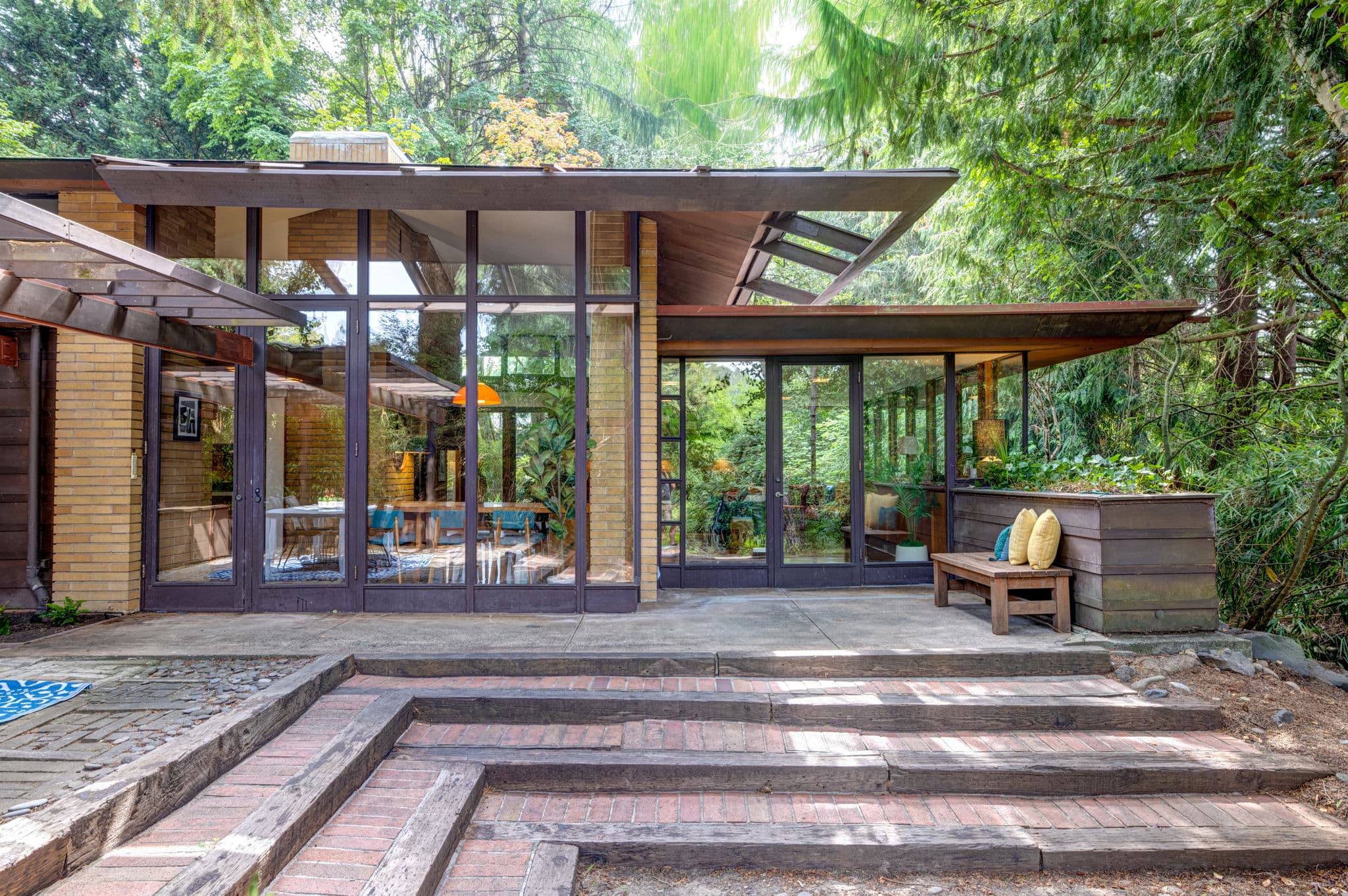
The House: A 1961 Van Slyck & Callison Original
In 2025 I listed 4030 NE 104th St: a 1961 home in Meadowbrook designed by Van Slyck & Callison and recognized by the Seattle Times as its Home of the Month in November 1961. Three bedrooms, 1.5 baths, 1,810 square feet, set in the trees along Thornton Creek.
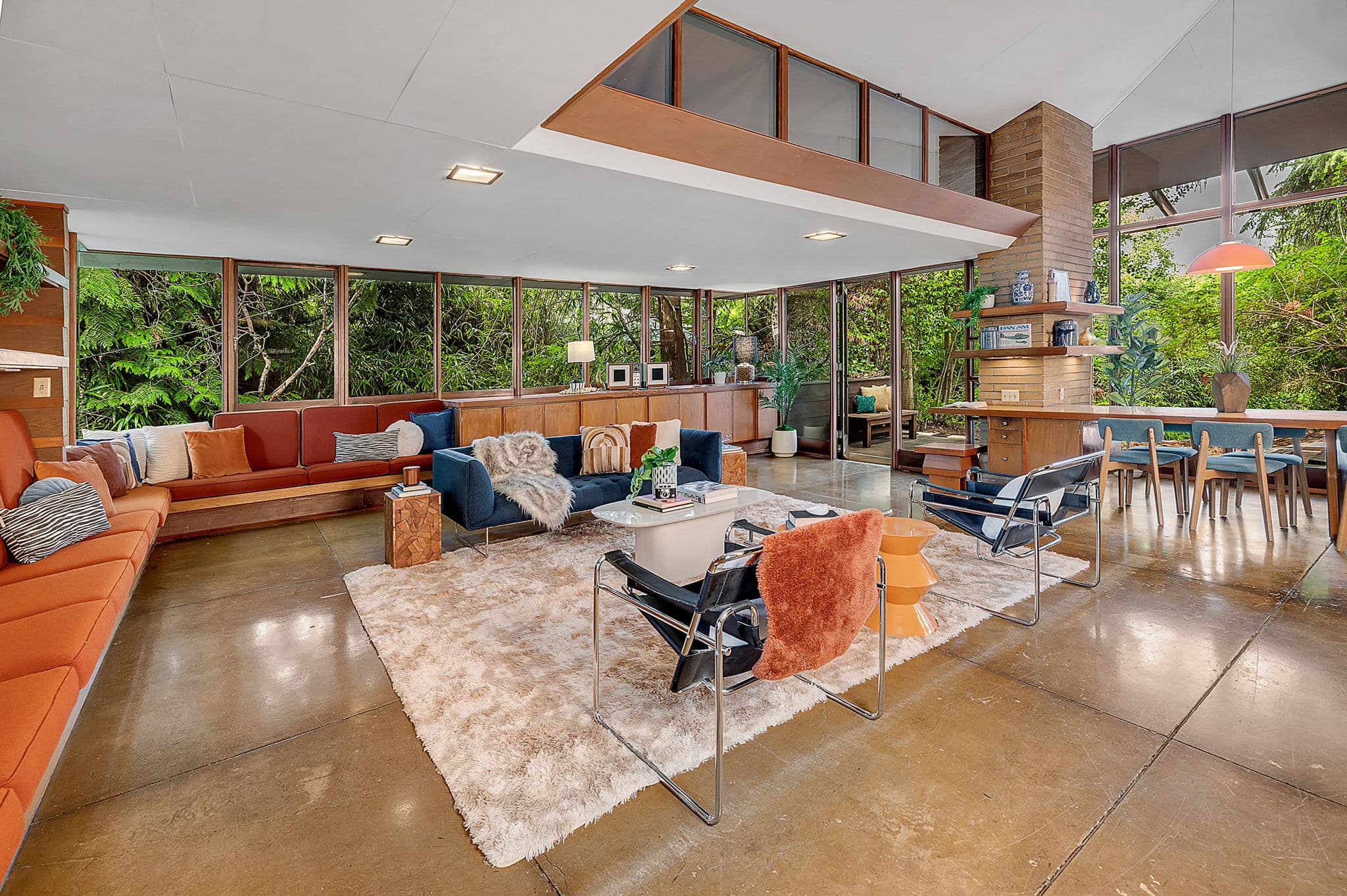
On paper, that is a modest listing. Seattle is full of three-bedroom houses. What set this one apart was everything a spec sheet cannot hold: the window walls, the built-in seating in the living area, the private outdoor access from each bedroom, and sixty years of owners who had not renovated the character out of it.
The seller understood this. It was his childhood home, and in his review he wrote that he was looking for a broker who understood architecture, because the house was "more than just a house." That framing was not sentiment. It was the correct read of the asset.
What Happened When It Listed
The listing was written and photographed to lead with the design: the architect's name, the 1961 Seattle Times recognition, the relationship between the house and the creek lot. That is the material design publications look for, and Dwell picked the listing up, putting it in front of a national audience of readers who follow mid-century homes specifically. The buzz was amplified when the listing was picked up by Zillow Gone Wild, the listing-culture account with an audience in the millions.
The result: activity that, in the seller's words, was off the charts, multiple offers on review day, and a sale in September 2025 at $1,295,000, with price and terms exceeding the seller's expectations.
I want to be careful about the claim here. No marketing plan conjures demand that does not exist. What the coverage did was make sure the buyers who would care most about this specific house actually saw it, instead of the listing reaching only whoever happened to be searching Meadowbrook that month with three bedrooms in their filter. When the right pool sees an original, competition does the rest.
What Made the Difference
Three decisions carried most of the weight, and each one applies to almost any mid-century listing.
Name the architecture
A buyer searching for a mid-century home is doing research. The architect, the year, the recognition it earned at the time: these are searchable, verifiable facts that separate an original from a house that merely has a low-pitched roof. If your home has a design pedigree, documenting it is worth real money. If you do not know, find out before listing: permit records, the Seattle Times archive, and neighborhood histories all hold answers.
Sell the design, not the dimensions
Standard listing photography shoots rooms. Design-literate photography shoots the ideas: the sight line from the entry through the glass to the trees, the way the built-ins organize the living area, the ceiling plane. The audience this reaches already knows what a bedroom looks like. They are looking for evidence the house is the real thing.
Go where design buyers already look
Dwell and the listing-culture accounts are not vanity coverage. They are where the second buyer pool lives, and that pool is not limited to Seattle. Coverage there costs nothing but a listing worth covering and materials that give an editor something to work with, which is precisely what the first two decisions produce.
The Buyer Pool Is Real
I see the other side of this market too. In January 2026, I represented the buyers of a 1964 home in View Ridge that sold at $2,020,000. Those clients came to me specifically because they wanted a mid-century modern home and, in their words, wanted a broker who knew that market in Seattle. Buyers like that are not browsing. They are hunting, they know the inventory, and they move quickly when an original appears.
That is who is on the other end when a well-documented mid-century home lists properly. It is also why the preparation advice for these homes differs from the standard playbook.
Prepare It Without Erasing It
My general guidance on preparing a Seattle home for sale still applies: fix what is broken, clean relentlessly, let the light in. But mid-century homes carry one extra rule that overrides the rest.
- 01Do not renovate away the original character. The paneling, the built-ins, the original fixtures a flipper would replace are what the strongest buyers are paying for.
- 02Repair original materials rather than swapping them. A refinished wood ceiling beats a new drywall one in this market, every time.
- 03Resist the pre-sale gray-and-white repaint. It reads as an upgrade for a standard listing and as a loss for this one.
- 04Document everything you know: architect, year, published history, original drawings if you have them. This is listing material, not paperwork.
If you are unsure whether something counts as character or as dated, that is exactly the conversation to have before any money gets spent.
Thinking About Selling Yours?
Seattle's mid-century housing came out of the same postwar decades in every part of the city, and originals surface everywhere from the north end to Seward Park. If you own one and are weighing a sale, start with an honest read of what your home is worth, from someone who can tell you which of its details the design market will pay for. Automated estimates cannot see an architect's name. Buyers can.
Quick answers
- Do mid-century modern homes sell for more in Seattle?
- Not automatically. What a well-preserved mid-century home has is a second buyer pool: people shopping for the design itself, not just the beds and baths. Reaching them is a marketing decision, and when it works, you get more competition for the same house. That is what happened with my 1961 Meadowbrook listing, which drew multiple offers on review day.
- Should I renovate my mid-century home before selling it?
- Be careful. The original details are the product: the built-ins, the wood ceilings, the window walls, the connection to the lot. A generic pre-sale renovation can strip out exactly what the strongest buyers are paying for. Fix what is broken, clean and repair the original material, and leave the character alone until you have talked to someone who knows this market.
- How do you market a mid-century home differently?
- Lead with the architecture. Name the architect if the home has one, photograph the design instead of just the rooms, and put the listing where design-focused buyers already spend time. Publications like Dwell cover Seattle listings when there is a real story, and that coverage reaches buyers a standard MLS listing never touches.
- How do I find out what my mid-century modern home is worth?
- Automated estimates handle these homes badly, because the comparable sales an algorithm picks rarely share what makes the house valuable. A broker price opinion from someone who knows the mid-century market, and knows which of your details buyers will pay for, is the reliable path.
Keep reading
- 01What Is My Seattle Home Worth in 2026? (And Why Zestimates Miss)
- 02Selling Your Home in Seattle: What It Takes
- 03Preparing Your Seattle Home for Sale: What’s Worth Doing in 2026
- 04Should You Sell Your Seattle Home Now? What the Numbers Actually Say
- 05Selling Your House As-Is in Seattle: What It Actually Means and How to Do It Right
- 06Selling an Inherited House in Washington: Probate, Taxes, and Timing
- 07Capital Gains When Selling Your Seattle Home: What Actually Applies
- 08NWMLS First Look: What It Means for Seattle Sellers
- 09The Real Cost of Selling a Home in Washington State
- 10ADUs and DADUs in Seattle: The Rules Changed, and So Did the Math
- 11Seattle Housing Market Update: September 2026