
 Facebook
 X
X
 Pinterest
 Copy Link
If you are thinking about living in Mt. Baker, Seattle, here is the short version: it is one of the few neighborhoods in the city where you can have a lakefront park, a light-rail commute, grand historic homes, and a $4 taco truck dinner all within the same square mile. Mt. Baker sits on the western shore of Lake Washington in South Seattle, just three miles from downtown, and it has quietly held onto a mix of character and value that most comparable lake neighborhoods lost years ago. This guide walks through what it is actually like to live here in 2026, what you can buy and for how much, and the trade-offs worth knowing before you start looking.
Where Mt. Baker Sits
Mt. Baker is a hillside neighborhood that runs from Lake Washington up toward Rainier Avenue South, bordered by Leschi to the north, Columbia City to the south, and the south slope of Beacon Hill to the west. That location is the whole story. You get the lake and the Olmsted-designed parks on the east edge, the Rainier Avenue commercial strip on the west, and a quick connection to Beacon Hill and the rest of South Seattle in between. It is close enough to downtown to feel connected and far enough up the hill to feel like its own quiet, tree-lined pocket.
Light Rail and the Commute
Here is the feature that makes Mt. Baker punch above its weight. The Mount Baker light-rail station sits at Rainier Avenue South and Martin Luther King Jr. Way South on Sound Transit’s 1 Line, the same line that runs from the airport up through downtown, Capitol Hill, the University of Washington, and on to the north end. Trains run about twenty hours a day, with roughly six-minute headways at peak. That puts downtown only a few minutes away without a car, the airport a straight shot south, and the UW a one-seat ride north. For a neighborhood with this much lake and green space, having a no-traffic commute option built in is rare, and it is the single biggest reason Mt. Baker holds its value. Five King County Metro bus routes also connect at the station toward Capitol Hill, the Central District, Rainier Beach, and downtown.
Lake Washington and the Parks
The eastern edge of Mt. Baker is where the neighborhood earns its reputation. Mount Baker Park runs down to a swimming beach and boat launch on Lake Washington, and Genesee Park stretches alongside it with open playfields and trail. On a clear day you get the lake in the foreground and the Cascades, including the actual Mount Baker, on the horizon. The Mount Baker Rowing and Sailing Center operates right off the shoreline, and the lakefront path connects into the broader Lake Washington Boulevard, which the city closes to cars on select summer weekends. For buyers coming from denser parts of the city, this is the part that tends to seal the decision: genuine lake access without crossing into Madison Park or Mercer Island price territory.
Mioposto and a Standout Food Scene
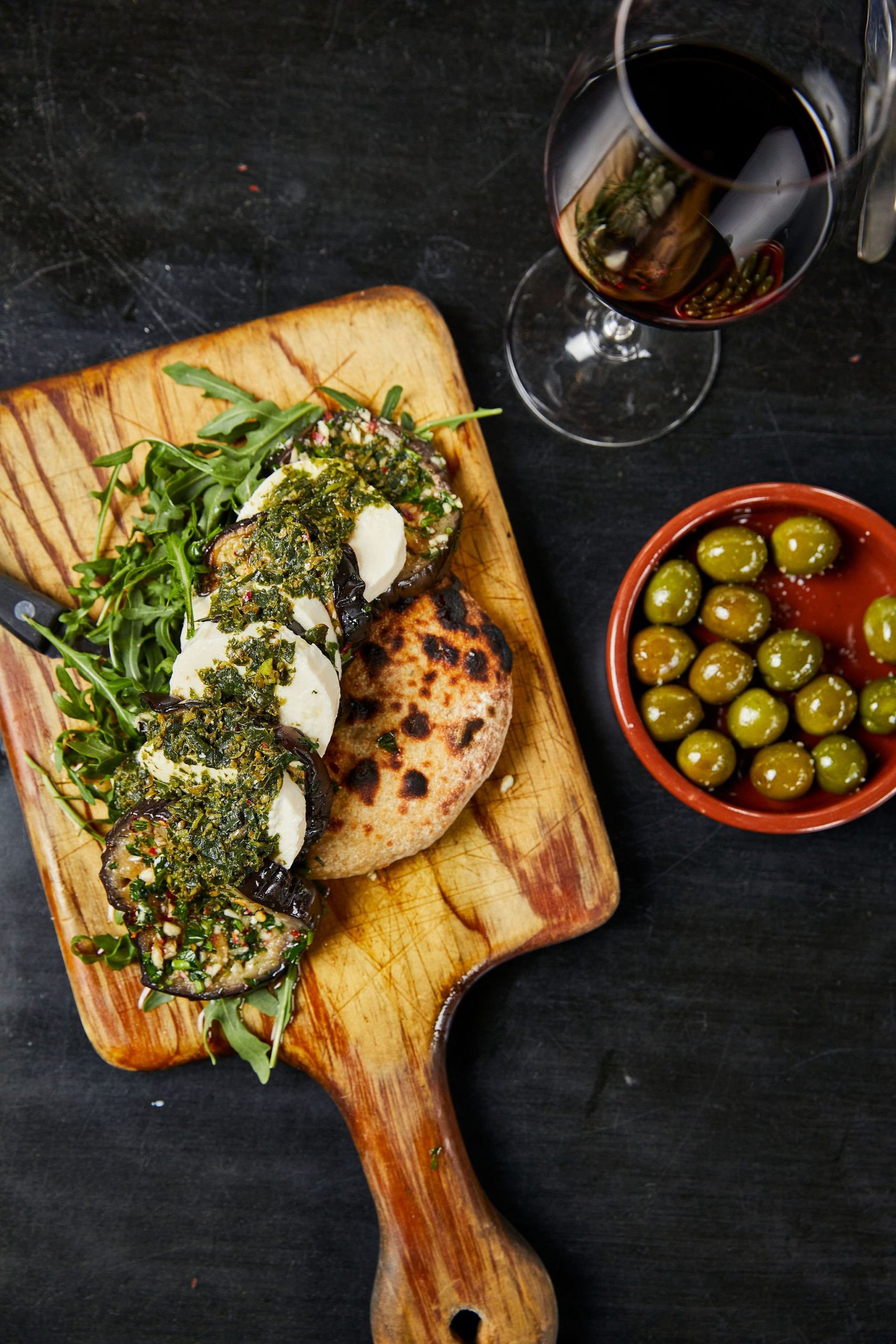
Day to day, a lot of Mt. Baker life happens at the small business node near the lake. The anchor is Mioposto, the neighborhood wood-fired pizzeria and cafe perched near Mount Baker Park, the kind of walk-to spot where regulars know the staff and weekend mornings fill up fast. From there you are only minutes up the ridge to everything Beacon Hill has to offer, one of South Seattle’s most interesting little dining strips: Oh Yeah Banh Mi for a fast, fresh lunch, Pho Bac for a steaming bowl, Aslan Brewing for a local pint, and iconiq for a proper night out. Living here, you effectively get two walkable food cores instead of one.
Then there is Rainier Avenue, the neighborhood’s western spine and historically Seattle’s old Italian Garlic Gulch. Today its best-known draw is the run of taco trucks and taquerias along Rainier Avenue South, from birria and carne asada favorites like Tacos El Asadero to the value plates at spots up and down the corridor. It is the kind of everyday, affordable, seriously good food that a lot of pricier lake neighborhoods simply do not have within walking distance. Over the past year I have watched more than a few Mexican pop-up tents materialize at different spots along Rainier, here one week and gone the next. I do not know whether the Department of Health has a hand in the constant shuffle, but the al pastor those tents turn out, shaved straight off the trompo, is the closest thing I have found in Seattle to the street food I have chased through Mexico.
What You Can Buy, and for How Much
Mt. Baker has one of the widest ranges of home styles and price points in South Seattle, which is part of what keeps it interesting. The neighborhood is best known for its grand early-1900s houses: Craftsman, Colonial Revival, Tudor, American Foursquare, and the occasional Spanish Eclectic or Swiss Chalet, many on large lots with mature trees and, near the top of the hill, lake and mountain views. Those landmark homes anchor the high end. Closer to Rainier Avenue and the light-rail station you will find more modest bungalows, mid-century homes, and a growing number of newer townhouses that open the neighborhood up to buyers who are not shopping at the seven-figure level.
As of spring 2026, the Mt. Baker median sits around $1 million to $1.2 million depending on the source, which reflects how much those large historic and view homes pull the middle upward. But the median hides the spread. Updated townhouses and smaller homes near the station can trade in the high $600,000s to $800,000s, classic single-family Craftsman and Tudor homes mid-neighborhood tend to land roughly in the $1 million to $1.5 million range, and the grand view and near-lakefront estates run well above $2 million. That range is the practical takeaway: Mt. Baker is not a single price, it is a ladder, and there is a rung on it for first-time buyers near transit as well as for move-up buyers who want a piece of the lake.
If you are buying your first home here, several Washington State and City of Seattle assistance programs can help close the down-payment gap, and the townhouse-and-station end of Mt. Baker is exactly where those programs tend to pencil out. It is worth a conversation before you assume the neighborhood is out of reach.
Who Mt. Baker Suits
Mt. Baker tends to fit buyers who want several things at once and refuse to fully give up any of them: real lake and park access, a car-optional commute, architectural character, and a food scene that runs from wood-fired pizza to taco trucks. It rewards people who value being connected to the water and to downtown more than being in the middle of a nightlife district. Families are drawn to the parks, the lake, and the light-rail access; remote workers like the quiet streets with a fast path downtown when they need it; and design-minded buyers come for the historic housing stock.
The Trade-offs, Honestly
No guide is worth much without the caveats. Mt. Baker is a hillside, so some streets are steep and a few of the best view lots come with stairs and slopes. The grand historic homes are beautiful but old, which means maintenance, and the very best of them command real money. Rainier Avenue is busy and has long been a traffic-safety focus for the city, so block-by-block feel matters and is worth walking before you commit. And because the neighborhood is small and tightly held, well-priced listings in the mid range can move quickly. None of these are dealbreakers, but they are the things I make sure clients see with clear eyes before writing an offer.
Quick Answers
Is Mt. Baker a good place to live in 2026? For lake access plus a light-rail commute plus historic character, it is one of the strongest all-around neighborhoods in South Seattle, and few places match the combination.
How much does a home in Mt. Baker cost? The median runs roughly $1 million to $1.2 million in spring 2026, but the range is wide: townhouses and smaller homes near the station from the high $600,000s, classic single-family homes around $1 million to $1.5 million, and view and near-lakefront estates above $2 million.
How is the commute downtown? Fast and car-optional. The Mount Baker station on the 1 Line puts you a few minutes from downtown, with the airport south and UW north on the same line.
Is it walkable? The lake, the parks, Mioposto, and the station area are walkable, and you are minutes from Beacon Hill’s dining strip and the Rainier Avenue taco trucks. Steeper streets and a car still help for bigger errands.
The Bottom Line
Mt. Baker keeps a relatively low profile for a neighborhood that has a swimming beach, two major parks, light rail, and some of the prettiest historic homes in the city. That is exactly the opportunity. You get lakefront living, a no-traffic downtown commute, a genuine range of homes from station-area townhouses to view estates, and a food scene that spans wood-fired pizza and taco trucks, often for less than the comparable transit-and-water neighborhoods elsewhere in Seattle ask. As more buyers connect those dots, that value gap tends to narrow.
This is my home turf, and I work across Mt. Baker and South Seattle every week, so if you want a straight read on which end of the price ladder fits you, I am glad to talk it through.
Want first look at Mt. Baker homes? Set up a free Mt. Baker listing alert and I will send new and price-reduced homes the moment they hit the market. You can also browse current Mt. Baker listings on my live search, or reach out if you would like to walk the neighborhood together. No pressure and no obligation.
Reach Out
If you’re the least bit curious, please email, text, or call me. I would love to connect!
